Trenchless Sewer Line Repair & Replacement in Pomona, CA
Sewage smell? Slow drains? If your Pomona home is 50+ years old, this is often the real problem. The good news: it can usually be fixed without tearing up your yard. Here’s how to check, and what it actually costs.
INCLUDES A CSLB LICENSE GUIDE
SERVING ALL OF POMONA, CA
INDEPENDENT & UNBIASED
Why Pomona Pipes Are Failing Right Now
It’s not bad luck when a 60-year-old Pomona house has sewer trouble. It’s timing. Most homes in this city were built around 1967 — and that one fact explains most of the sewer calls Pomona sees every year.
A lot of homes built here between the 1940s and early 1970s used a pipe called Orangeburg — made from tar and wood fiber, cheap and easy to install at the time.
So when a Pomona homeowner notices every drain in the house running slow at once, that’s usually not a coincidence. That’s the sewer lateral — the private pipe connecting your home to the city’s main sewer under the street — not just one clogged fixture.
What type of pipe is causing most Pomona sewer failures?
Orangeburg pipe — a tar-and-wood-fibre material installed in most Pomona homes built between 1940 and 1975 — is the primary cause. Rated for 50 years, most of it is now 55–80 years old. It deforms slowly from circular to oval, narrowing flow until blockages become frequent and eventually complete.
How does trenchless sewer repair work without digging?
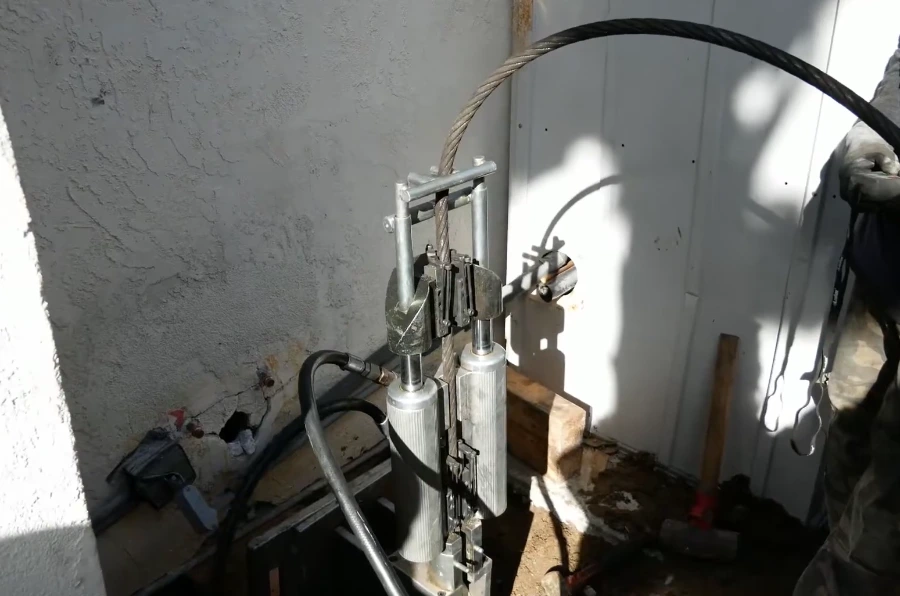
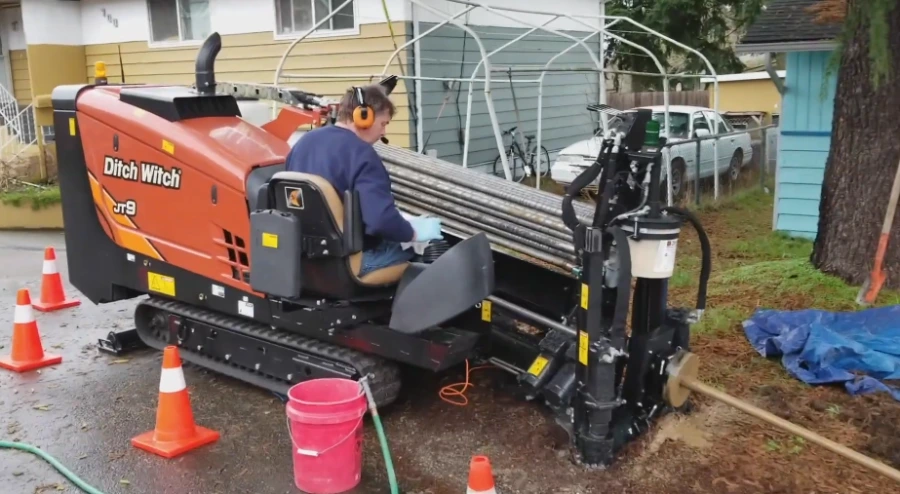
Trenchless repair fixes or replaces a damaged sewer pipe without digging a full trench. The two main methods are pipe lining — curing a resin sleeve inside the existing pipe — and pipe bursting, where a new pipe is pulled through as the old one breaks apart. Both require only small access points.
What does a sewer camera inspection actually show you?
A waterproof camera sent through the sewer line reveals cracks, root intrusion, joint separations, grease buildup, and collapsed sections in real time. It identifies the exact location and depth of damage — which is the only reliable way to decide between a spot repair, pipe lining, or full replacement.
What do Pomona homeowners typically pay for sewer repair?
Pipe lining runs $80–$250 per linear foot. Pipe bursting for a full lateral replacement runs $4,500–$12,000. Open-cut replacement adds excavation and surface restoration — typically $8,000–$20,000+. The only way to get an accurate number for your specific property is a camera inspection followed by a written itemised estimate.
How do you verify a sewer contractor is licensed in Pomona?
Verify the contractor’s CSLB license at cslb.ca.gov — sewer work requires a C-42 or C-34 specialty license. Ask to see the camera footage before agreeing to any repair. Get a written scope with pipe length, method, materials, and a final camera check included.
Does sewer line repair in Pomona require a permit?
Yes. Most sewer line repair and replacement work in Pomona requires a permit from the City of Pomona Building and Safety Division. Your contractor should pull the permit before work begins — not after. A permit creates an official inspection record and confirms the work meets California plumbing code. If a contractor says a permit is not needed for a full line replacement, that is a red flag.
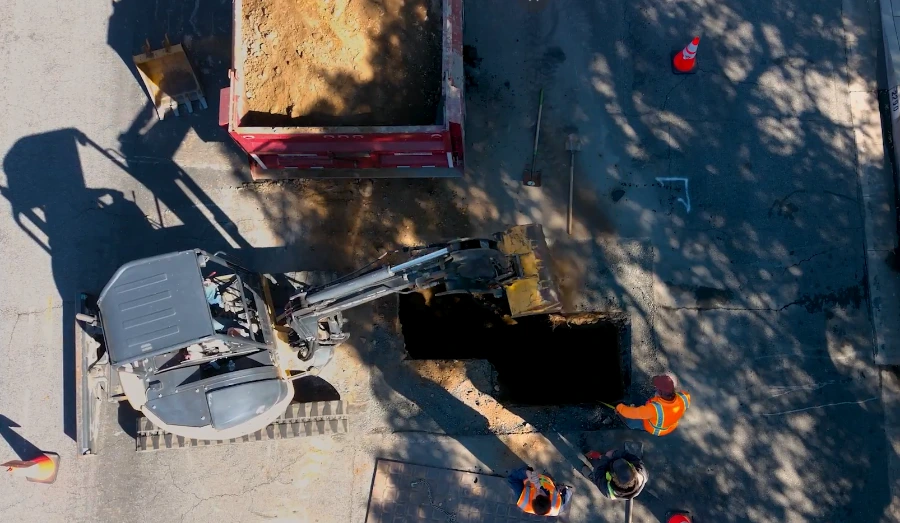
The 3 Sewer Repair Methods Used in Pomona
Sewer Repair Methods
Warning Signs to Watch For
Which Sewer Line Solution Might Fit Your Problem?
Not sure which repair method applies to you? Match your symptoms to the likely cause below — a camera inspection is still the only way to know for sure.
| Sewer Line Problem | Common Signs | Potential Solution | When It May Be Appropriate |
|---|---|---|---|
| Roots growing into the sewer line | Recurring backups, slow drains, gurgling toilets or repeated clogs | Hydro jetting or root removal, followed by repair if the pipe is damaged | Useful when roots are blocking the line, but the pipe should be inspected first to check for cracks or other damage. |
| Cracks, small breaks or leaking joints | Repeated drainage problems, sewage odors or damp areas around the line | Pipe lining (CIPP) | A good option when the existing pipe is structurally suitable for a liner and major collapse or severe misalignment is not present. |
| Severely damaged or collapsed sewer pipe | Persistent backups, standing wastewater or a failed camera inspection | Pipe bursting or targeted excavation | Pipe bursting can replace a damaged underground line with less surface disruption when site conditions and access allow it. |
| Aging or deteriorated sewer line | Frequent repairs, recurring blockages or an older pipe showing multiple defects | Trenchless sewer line replacement | May be considered when repair is no longer practical and the existing line needs substantial rehabilitation or replacement. |
| Unclear cause of repeated sewer problems | Multiple drains backing up, unusual gurgling or recurring clogs | Sewer camera inspection | A camera inspection helps identify roots, cracks, offsets, blockages and other problems before choosing a repair method. |
| Grease, sediment or debris buildup | Slow drainage without clear structural pipe damage | Sewer cleaning or hydro jetting | Appropriate when buildup is restricting flow and the underlying sewer pipe remains in usable condition. |
Why Choose Us
A Clear Diagnosis Before Any Repair
A sewer problem is not always what it first appears to be. We start by understanding what is happening inside the line so you can make a decision based on the actual condition of the pipe.
Trenchless Options When They Make Sense
Not every sewer line needs the same solution. When the property and pipe condition allow it, trenchless methods can provide a practical alternative to extensive excavation and unnecessary disruption.
Practical Advice, Not One-Size-Fits-All Solutions
A cracked section, root intrusion, severe deterioration, and a collapsed line can require very different approaches. We look at the specific problem before discussing the work that may be needed.
Your Property Matters Too
Sewer work can affect landscaping, driveways, walkways, and other finished areas. Where trenchless work is suitable, minimizing excavation can help reduce the amount of property that needs to be disturbed.
Straightforward Information You Can Understand
You should know what was found, what your options are, and why a particular approach may be appropriate. We keep the information clear so you can move forward with confidence.
Pre-Hire Checklist for Pomona Homeowners
| What to Check | Why It Matters | What a Homeowner Should Ask |
|---|---|---|
| Pipe condition | A sewer line may have roots or buildup without needing full replacement. The actual condition determines whether repair is practical. | Can you show me the problem on the sewer camera? |
| Location of the damage | A problem near the house, street connection, or a specific section of the line can affect the repair approach and access required. | Where exactly is the damaged section located? |
| Pipe material and age | Older clay, cast iron, or other pipe materials can have different failure patterns and may require different repair considerations. | What type of pipe do I have, and what condition is it in? |
| Extent of the damage | A single crack is different from multiple breaks, major offsets, or a collapsed section. | Is this a localized problem or is the entire line affected? |
| Access and property layout | Driveways, landscaping, structures, and the depth of the sewer line can influence whether a trenchless method is practical. | Can this section be repaired without extensive excavation? |
| Final inspection | After sewer work is completed, another camera inspection can help confirm that the repaired or replaced section is open and properly connected. | Will you provide a final camera inspection after the work? |
The Repair Process: Camera to Completion
1. Camera Inspection First
2. Cleaning the Pipe
If there’s grease or root buildup, the crew usually runs a hydro jet through the line first, so a new liner can bond to a clean pipe wall.
3. The Actual Repair
Either the new pipe gets pulled through, or the liner goes in and hardens. A final camera check confirms the fix before the holes get filled back in.
Before and After: Pomona Sewer Line Repairs
A few examples of what these repairs actually look like once the work is done.
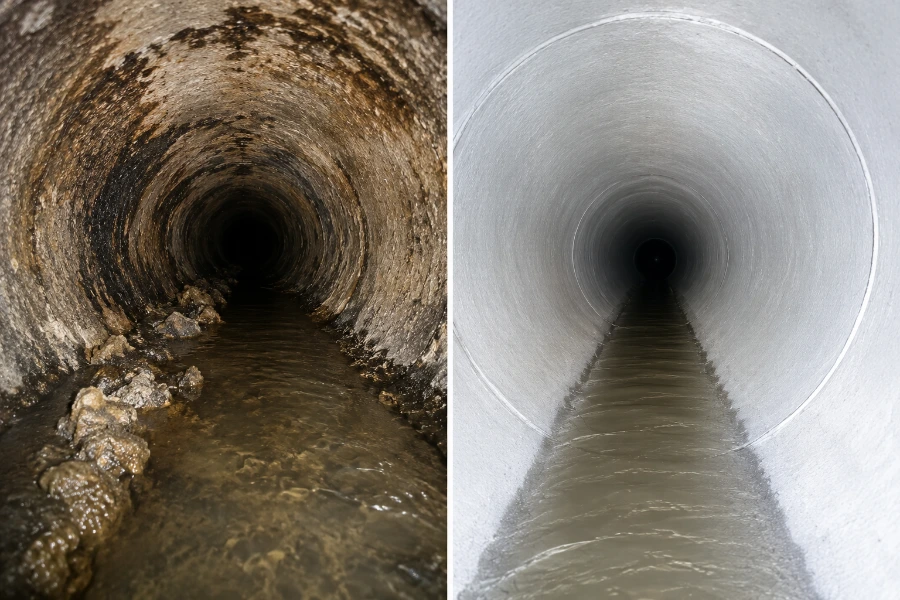
Inside an old pipe before lining, and the same line after a cured-in-place liner is installed.
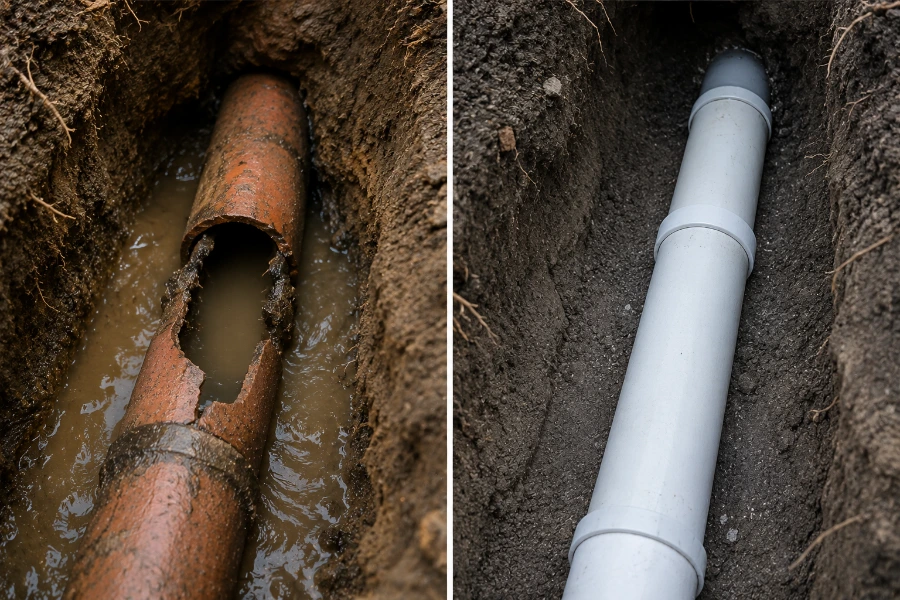
A cracked clay sewer pipe before replacement, and the new pipe in the same trench.
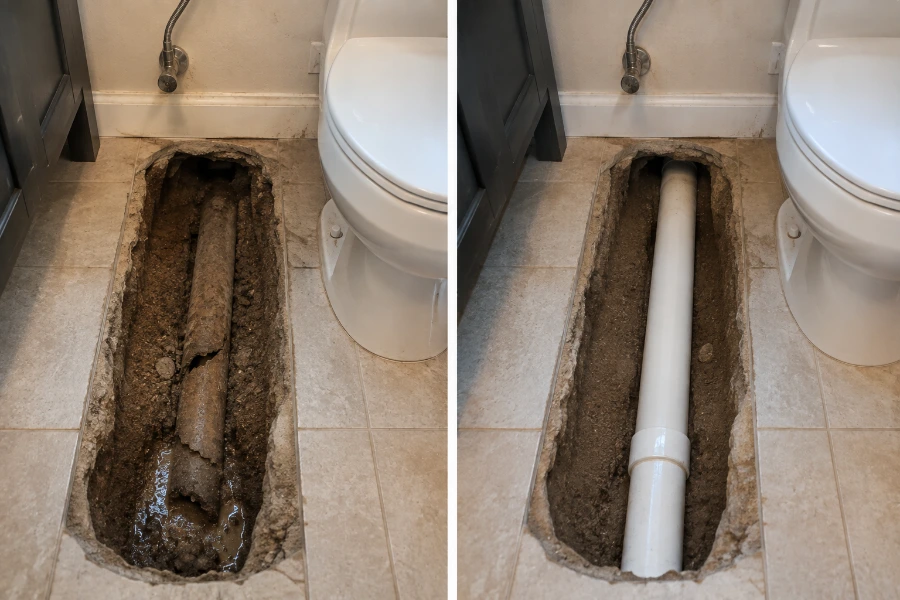
A bathroom floor opened for pipe access, and the new pipe in place before the floor is closed back up.
What Pomona Homeowners Should Know Before Calling a Sewer Company
- Orangeburg pipe fails silently — most homes built before 1975 in Pomona were fitted with tar-and-paper pipe that was never rated for more than 50 years. It does not crack suddenly; it slowly deforms, sags, and restricts flow until the line backs up entirely.
- Multiple symptoms together are the real signal — slow drains in more than one fixture, a sewage smell that comes and goes, a toilet that gurgles when the washer drains, or a wet patch of grass above the sewer line. Any single one may have another cause. Two or more at the same time in an older home almost always means the lateral.
- The city owns the main — you own the lateral — Pomona’s municipal sewer main runs under the street. The pipe that connects your home to that main is your responsibility as the homeowner, including inspection, repair, and replacement costs.
- A camera inspection comes first, not a sales pitch — no honest contractor should recommend a repair method before seeing the line on camera. The scope tells you where the problem is, how bad it is, and whether a spot repair, pipe lining, or full replacement is actually warranted.
- Always verify the contractor’s CSLB license — sewer work in California requires a licensed C-42 or C-34 specialty contractor. Check the license number at cslb.ca.gov before any agreement is signed.
The before-and-after photos above show real results from trenchless sewer line work — the kind of repair that fixes the problem without tearing up your yard, your driveway, or your landscaping.
Pomona Sewer Repair Price Ranges
 Spot repair (one small section) → $500–$1,500
 Trenchless repair, per foot → $80–$250
- Full sewer line replacement (40–50 ft) → about $9,000–$17,000
 Traditional dig-and-replace → $3,000–$10,000+, plus restoring your yard
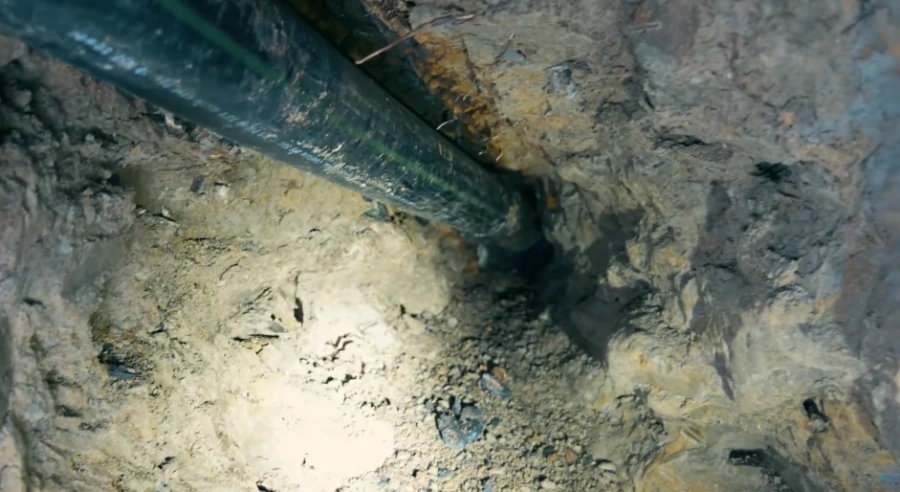
Sewer Terms Homeowners in Pomona Should Know
Frequently Asked Questions
Real questions Pomona homeowners actually ask, answered in plain English.
Call us (840) 226-2642
Have Questions About Your Sewer Line?
Call us (840) 226-2642
Pomona Trenchless
436 W 4th St, Suite 212
Pomona, CA 91766
Navigate
Areas We Serve
Serving Pomona & Surrounding Cities
Copyright © 2025 Trenchless Sewer Line Repair Pomona, CA. All rights reserved.